
🔥 What Is Reflective Burn on Artificial Turf (And Why It Happens)
- Jerry Welch

- Dec 24, 2025
- 2 min read

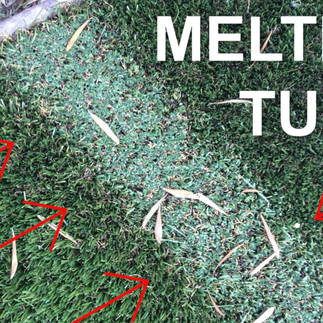

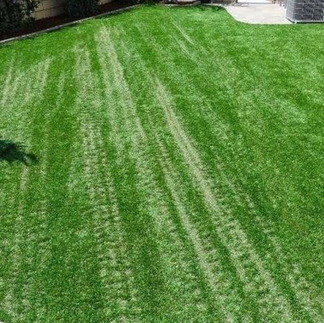

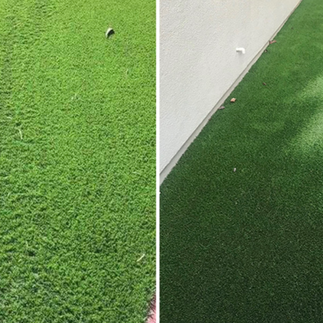


Artificial turf is a fantastic low-maintenance lawn solution, but there’s one often-overlooked problem that can seriously damage it: reflective burn.
Reflective burn — also called turf melt — occurs when intense sunlight reflects off nearby surfaces and focuses heat on certain areas of the turf. The result can be streaks, discolored patches, or even melted synthetic fibers.
Common Causes of Reflective Burn
Energy efficient windows with Low-E glass that reflect and magnify sunlight back onto the lawn.
Shiny objects and surfaces like gutters, metal trim, mirrors, or polished décor.
Bright landscaping ornaments or reflective siding.
Heat sources like BBQs or fire pits left too close to the turf.
Artificial grass fibers can “melt” or distort at temperatures around 150–175 °F and above, and reflected sunlight can create hot spots far hotter than the ambient air.
🛠️ Why Exterior Tint Is Our Top Recommendation
The most effective preventive solution we recommend is an exterior applied anti-reflective tint on the windows or glass surfaces that are causing the heat reflection. This is not typical interior tint — it is designed to diffuse sunlight before it reflects outward onto turf.
How It Works
Exterior window films (sometimes called “turf protection film”) work by:
Softening and scattering reflected light, eliminating intense heat spots.
Maintaining visibility through the glass — clear or nearly clear options are available.
Protecting artificial turf and surrounding landscaping from ongoing damage.
💡 Example: Turf Guard and similar turf-safe films are engineered specifically to cut down the glare that causes turf melting.
🧠 Other Solutions You Can Offer
While exterior tint is often the most straightforward fix, here are additional strategies to protect artificial turf in high-heat environments:
1️⃣
Exterior Solar Screens / Shades
Installing solar screens or exterior shade devices over reflective windows prevents sunlight from hitting the glass in the first place — eliminating the reflective heat source.
2️⃣
Architectural Shade Structures
Awnings, pergolas, or overhangs can block direct and reflected sunlight on vulnerable portions of turf.
3️⃣
Strategic Landscaping
Planting trees, shrubs, or installing fences can create natural shade barriers that break up reflected light paths before they hit the lawn.
4️⃣
Heat-Resistant Turf Options
In areas with chronic reflective heat issues, consider turf built with heat-resistant fibers (e.g., nylon) in high-risk zones.
🌿 Preventing Damage Before It Starts
Reflective burn typically isn’t a manufacturing defect — it’s an environmental interaction between your site conditions and nearby reflective surfaces.
Before turf installation, always:
Survey for reflective surfaces during peak sun hours.
Test sample turf pieces in suspected hot spots.
Plan shading strategies or film installations before laying turf.
These steps help protect your investment and avoid costly turf replacement.
📌 Final Thoughts
Reflective burn can quickly turn a beautiful artificial lawn into an eyesore — but with the right approach, it’s preventable. Exterior applied anti-reflective tint or film remains our vs top recommendation, and pairing that with shading, landscaping, and heat-resistant turf products gives your clients peace of mind for years to come.
Comments